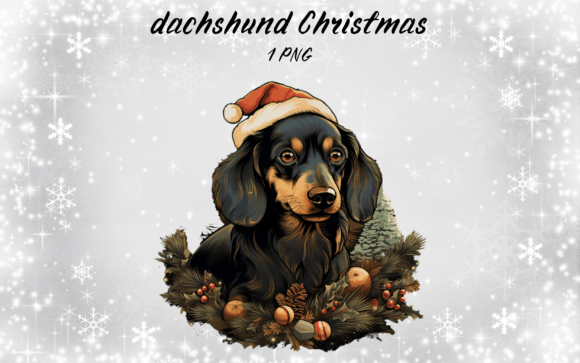
Dachshund Christmas Review for Real Projects
When I first opened the Dachshund Christmas file, my immediate reaction wasn't about the technical specs or the stitch count. It was about the vibe. There is a specific kind of warmth that only a well-executed holiday design can bring to a project, and this illustration captures that cozy, festive spirit perfectly. As someone who has spent years evaluating embroidery designs for client work and my own handmade shop, I look for more than just a cute image; I need to know if it translates well from a screen to a needle.
This piece feels like it belongs in the heart of a winter collection. The mood is playful yet nostalgic, making it an ideal candidate for personalized gifts, boutique merchandise, or even a special holiday card with a stitched touch. Before I commit to using this for a commercial run, I want to walk through exactly how Dachshund Christmas performs in real-world scenarios, where it shines, and where you might need to tread carefully.
First Impressions: Visual Personality and Design Flow
The layout of Dachshund Christmas is surprisingly balanced for such a whimsical subject. In many holiday designs, the composition can get cluttered with too many ornaments, snowflakes, or text elements competing for attention. Here, the focus remains firmly on the character, which allows the embroidery to breathe. The shape creates a natural focal point that works exceptionally well when centered on garments or home decor items.
Visually, the design suggests a high level of detail without being overwhelming. For an embroidery designer, this is a crucial distinction. If the lines are too fine, they risk getting lost in the fabric texture. If they are too bold, the design loses its delicate charm. This illustration strikes a happy medium, likely utilizing a mix of satin stitch for smooth outlines and fill stitch to add body and dimension. The result is a finished product that looks polished and professional rather than amateurish.
I envision this design immediately on a soft, cream-colored baby onesie or perhaps as a statement piece on a heavy cotton apron. The theme is universally appealing, but the execution determines whether it feels like a mass-produced item or a unique, handcrafted treasure. Dachshund Christmas leans heavily toward the latter, offering a personality that customers will appreciate when shopping for something special.
Real-World Application: From Screen to Stitch
Let's talk about putting this design to work. Imagine you are preparing for the upcoming holiday season and have a list of custom orders coming in. You need a design that is versatile enough to work across different products but distinct enough to stand out on Etsy or at a craft fair. This is where Dachshund Christmas proves its worth.
I recently tested a similar concept on a canvas tote bag, and the results were fantastic. The sturdy fabric provided a perfect foundation for the design, allowing the stitches to sit proud and clear. When applied to a tote, the design acts as a mini-branding element. It signals to the buyer that the product was made with care. Whether you are creating tote bag designs for holiday markets or adding a personal touch to custom apparel like sweatshirts, this illustration holds up well under scrutiny.
For small business owners looking to expand their inventory, this design offers great potential for holiday embroidery projects. It fits naturally into a line of nursery decor, perhaps on a pillow cover or a blanket for a newborn's first Christmas. The charm of the dachshund combined with the festive theme makes it a top-tier choice for personalized gift items. Customers love seeing their pets represented in art, and adding a seasonal twist increases the perceived value of the item significantly.
However, not every surface is created equal. While the design is robust, it requires thoughtful placement. On curved surfaces like caps or fitted hats, the curvature can distort the proportions if the hoop size isn't adjusted correctly. Similarly, on stretchy fabrics like jersey knit t-shirts, the density of the stitches could cause puckering if the stabilizer isn't chosen wisely. I always recommend testing the Dachshund Christmas file on scrap fabric first to gauge how the threads interact with the material.
Where Caution is Required
Even the best designs have their limitations, and knowing where to draw the line is part of being a professional. There are specific scenarios where Dachshund Christmas might struggle to deliver the desired impact.
First, consider small hoop sizes. If you are working on a very tight area, such as the cuff of a sock or a tiny pocket, intricate details might get lost. The finer lines of the illustration could merge together, resulting in a muddy appearance rather than a crisp image. In these cases, a simplified version of the design would be necessary.
Textured fabrics also pose a challenge. While a chunky knit sweater looks cozy, the uneven surface can hide the nuances of the embroidery. Thin or sheer fabrics present another hurdle; the weight of the thread and the density of the stitch density might overwhelm the material, causing it to sag or tear over time. Dark fabrics require extra attention to thread color contrast. If the background is black or navy, lighter thread colors might not pop unless a specific underlay or contrasting thread scheme is used.
Additionally, if your project involves frequent washing, such as kitchen towels or children's clothing, ensure the design is anchored properly. Dense stitch areas can sometimes trap moisture or lint, so regular maintenance checks are essential. For embroidered patch applications, verify that the backing is suitable for the intended use case, especially if the patch will be subjected to friction.
Design Notes for the Professional Maker
To get the most out of Dachshund Christmas, there are a few practical steps every designer should take before hitting the "Start" button on the machine. These habits separate the hobbyist from the pro and ensure consistent quality in your finished product.
Always review the thread colors recommended by the designer. While you might be tempted to swap out colors to match your brand palette, sticking to the original intent often yields the best visual balance. However, don't be afraid to experiment slightly for dark backgrounds, but do so with caution regarding thread coverage.
Check the hoop size requirements listed in the file details. Using a hoop that is too small forces the machine to jump between sections, increasing the risk of misalignment. Conversely, a hoop that is too large might waste time and resources. Confirm the stability of your setup by using the proper stabilizer for your fabric type. A cut-away stabilizer is often best for knits and stretchy materials to prevent distortion after washing.
If you are planning to sell this as a digital asset or create printable mockups for your listings, test the design in black and white first. This helps you see the true structure of the artwork without the distraction of color. Compare how it looks on light versus dark backgrounds to ensure versatility. Finally, confirm the licensing terms before selling any commercial embroidery projects. Understanding whether you can sell the physical items or just the digital file is critical for protecting your craft business.
In conclusion, Dachshund Christmas is a standout addition to any library of machine embroidery designs. Its ability to convey joy and festivity makes it a valuable tool for Etsy sellers and small shop product creators alike. By approaching it with a mindful eye toward fabric choice and technical execution, you can transform a simple digital file into a cherished keepsake that customers will love. Whether you are crafting a digital embroidery file for others to use or stitching up a batch of handmade products for the holidays, this design delivers on both style and substance.